

The Cross Wedge Rolling (CWR) process not only offers significant advantages in terms of production efficiency and product quality but also excels in optimizing the work environment. Compared to traditional forging and cutting processes, CWR effectively reduces workplace noise and vibration, minimizes dust and waste, enhances operational safety, decreases energy consumption, and simplifies equipment maintenance.
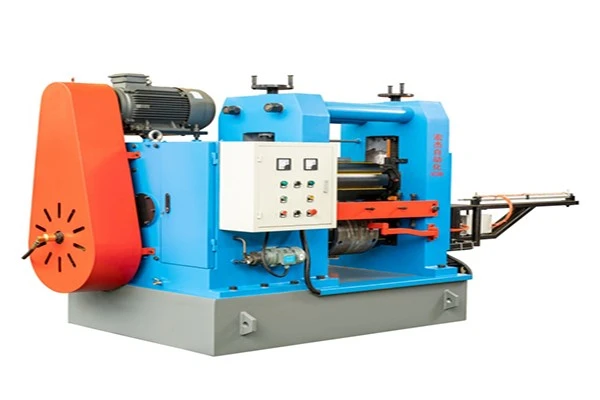
Reducing Noise and Vibration
CWR employs a continuous rolling method, which significantly reduces noise and vibration compared to the impact processing of traditional forging and the high-speed cutting in machining processes. Traditional forging processes require hammering or pressing to shape metal materials, generating substantial noise and intense vibrations, adversely affecting the health and comfort of operators. Machining processes also produce noise and vibration due to tool contact and high-speed rotation. CWR's smooth rolling process minimizes these environmental pollutants, creating a quieter and more comfortable work environment for operators.
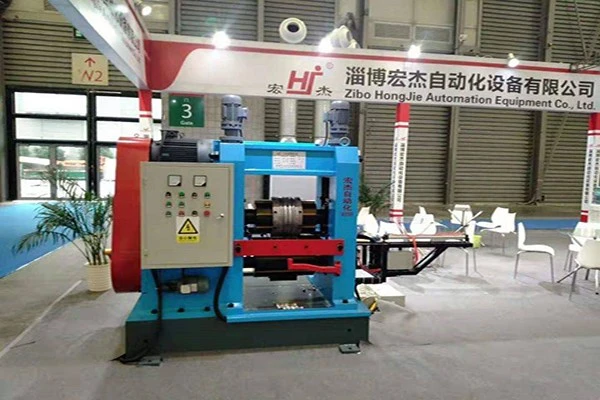
Minimizing Dust and Chips
CWR shapes metal materials through plastic deformation, which does not produce large amounts of chips and dust. Traditional machining generates significant metal chips and dust during processing, polluting the work environment and posing health risks to operators, increasing the difficulty of workplace cleaning and maintenance. Forging processes at high temperatures also produce smoke and scale. In contrast, CWR significantly reduces dust and waste production through continuous rolling and plastic forming, making the work environment cleaner and more environmentally friendly.
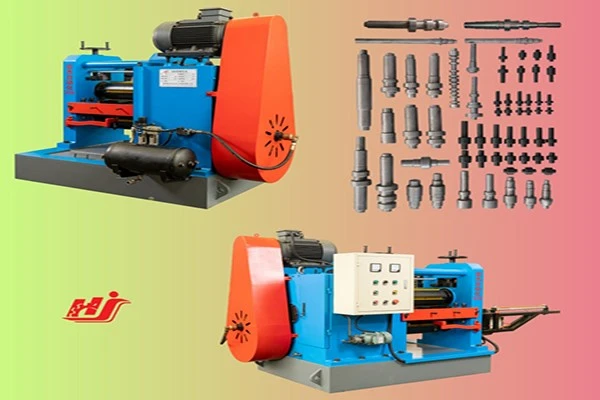
Enhancing Safety
CWR machines equipped with automated control and precise monitoring systems improve production process safety. Modern CWR machines feature advanced automation technology and sensors, capable of real-time monitoring and controlling various parameters during the rolling process. This reduces the need for operators to directly handle high-temperature and high-pressure equipment, lowering the risk of occupational injuries. Traditional forging processes require operators to frequently handle high-temperature metals and large machinery, posing significant safety hazards; machining processes with high-speed rotating tools also present potential threats to operator safety.
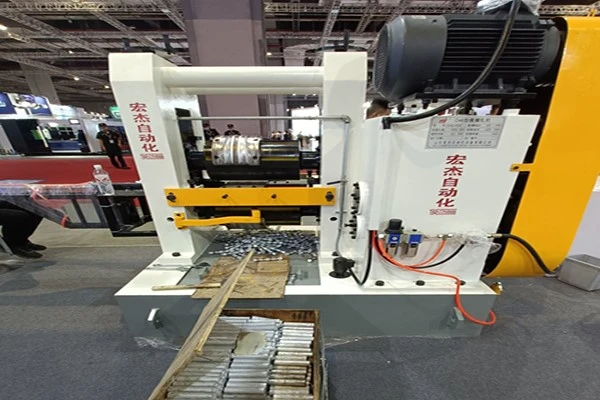
With the growing demand for safety, cleanliness, and overall comfort in modern industrial work environments, these optimization measures not only protect operators' health and safety but also enhance production efficiency and the sustainability of enterprises.For a comprehensive understanding of Cross Wedge Rolling Machine, please click "Cross Wedge Rolling Machine" for more details. Alternatively, provide your contact information under "Contact Us" on the right side, and we will get in touch with you promptly.