

As an automated production equipment, roll forging machines are not known for their high processing speed compared to other forging equipment. Unlike other forging methods, roll forging machines need to undergo multiple rolling processes to produce finished parts. Despite this, manufacturers often recommend purchasing roll forging machines for production. So, why do roll forging machines require multiple rollings? Why are they more frequently recommended by manufacturers?
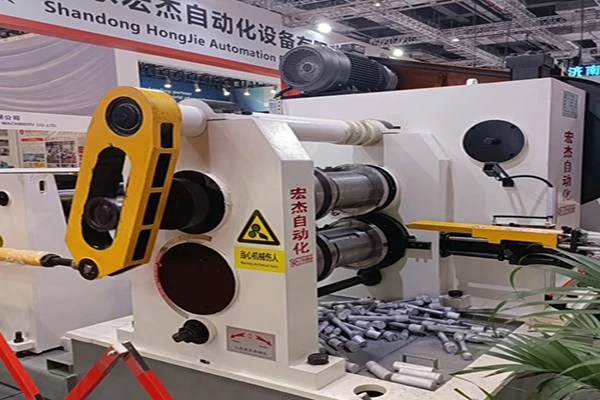
For forging complex parts:
For parts with intricate shapes, it's challenging to achieve complete shaping in a single rolling. Multiple rollings gradually adjust the preform to meet design requirements, ensuring the final product's quality.
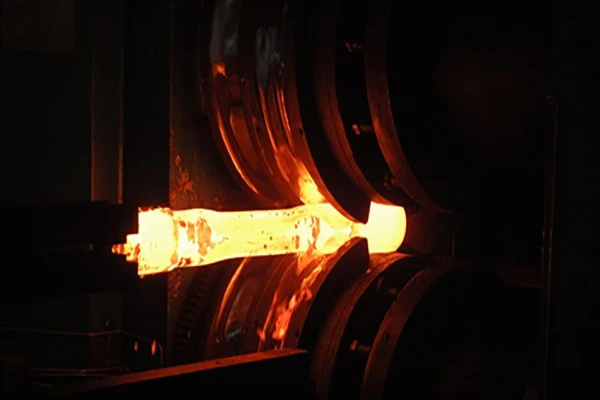
To increase part strength:
Multiple rollings with a roll forging machine result in a more uniform grain structure inside the part, increasing its toughness and reducing the occurrence of defects like pores that could affect strength. Additionally, since roll forging machines deform preforms to form the desired size, the density also increases, making them suitable for parts with specific strength requirements due to safety concerns.
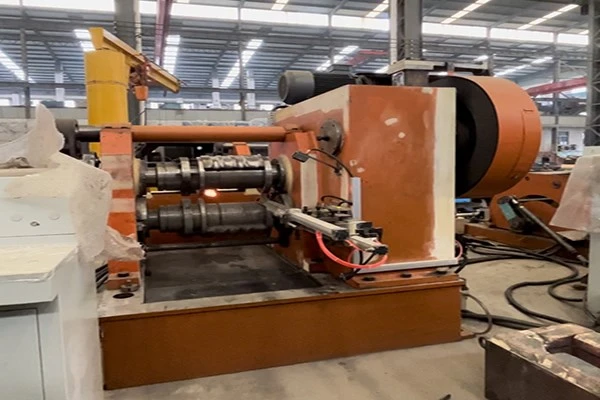
Deformation requirements:
Roll forging machines use cylindrical preforms for forging. During the rolling process, the deformation of the preform needs to progress gradually. It's challenging to achieve significant deformation in a single step. Therefore, multiple rollings distribute the deformation across each rolling process, expanding the achievable deformation range.
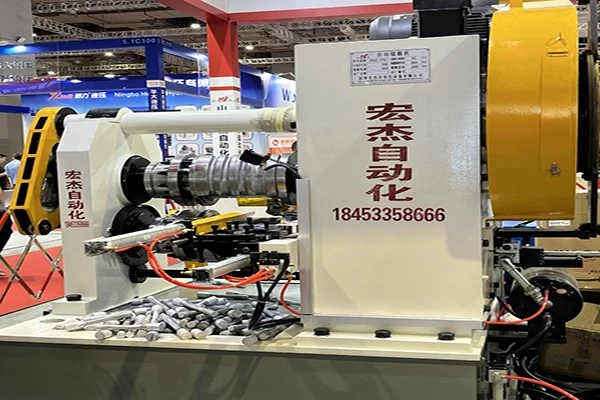
For a comprehensive understanding of roll forging machine, click on 'Roll Forging Machine' to explore detailed specifications. Alternatively, provide your contact information under 'Contact us' on the right, and we will promptly reach out to you.