

Modern industrial development relies heavily on metal forging processes, and there are many metal forging equipment options available in the market, each with its own characteristics. Pneumatic forging hammers are suitable for free forging and are ideal for small-batch, diverse production. Electric screw presses are suitable for die forging, while hydraulic presses are suitable for trimming.
So, in what production scenarios is it appropriate to use roll forging machines for production?
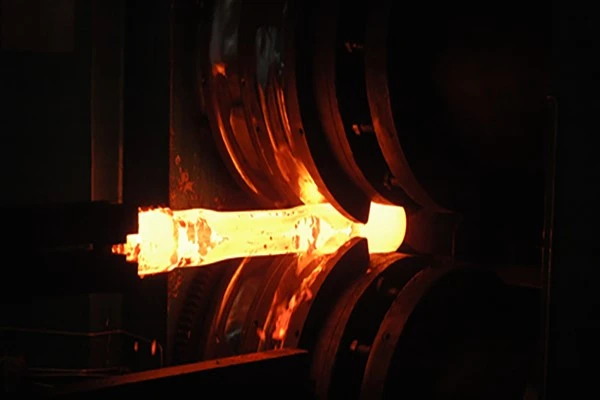
To understand the production environments suitable for roll forging machines, we must first understand their advantages: roll forging machines have fast production speeds, produce more precise results using molds, multiple rollings can increase material strength appropriately, they offer high material utilization rates, and can produce complex parts. Therefore, it naturally follows that the suitable production scenarios for roll forging machines can be determined.
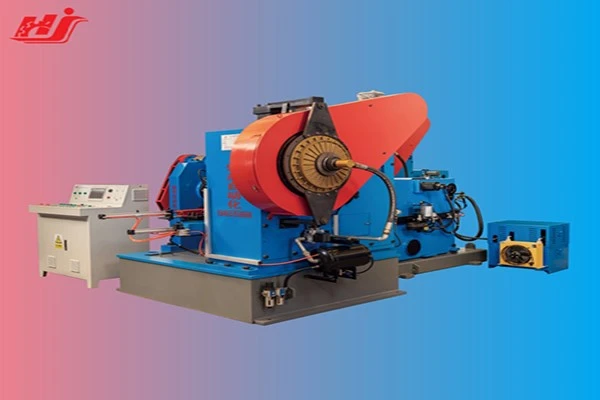
Roll forging machines are suitable for mass production. Their efficiency and stability in mold production are their main advantages. Therefore, they are highly suitable for manufacturers with large-scale production needs for the same parts. Additionally, since molds can create complex structures through multiple rollings, roll forging machines are also a good choice for producing parts with complex shapes. Furthermore, if a manufacturer requires high precision, high strength, or wants to save on production costs, roll forging machines are also an excellent option.
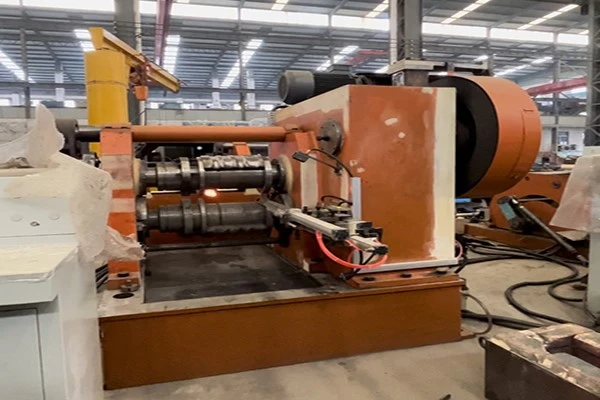
For comprehensive understanding of roll forging machine, click on 'Roll Forging Machine' to explore detailed specifications. Alternatively, provide your contact information under 'Contact us' on the right, and we will promptly reach out to you.