

In the realm of metalworking, the roll forging machine stands as an indispensable tool, shaping metal blanks into various forms and sizes through its unique process. Today, let's delve into the mysteries of the roll forging machine and discover how it handles different metal materials during the forging process.
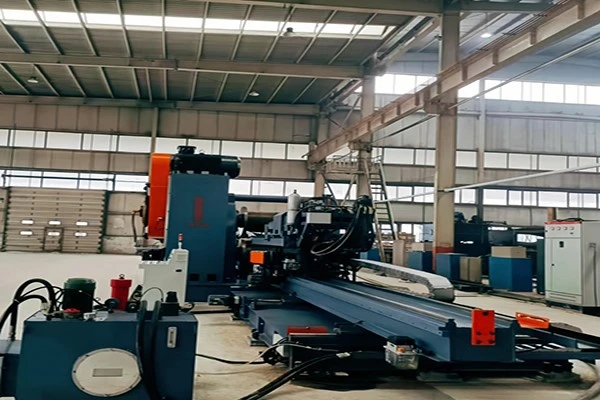
How Does the Roll Forging Machine Work?
At its core, the roll forging machine consists of two or more rolls that rotate in opposite directions. When a metal blank is fed between these rolls, they apply continuous local plastic deformation, gradually pressing it into the desired shape. This process resembles kneading dough with a rolling pin, but instead, the roll forging machine manipulates hard metal materials.
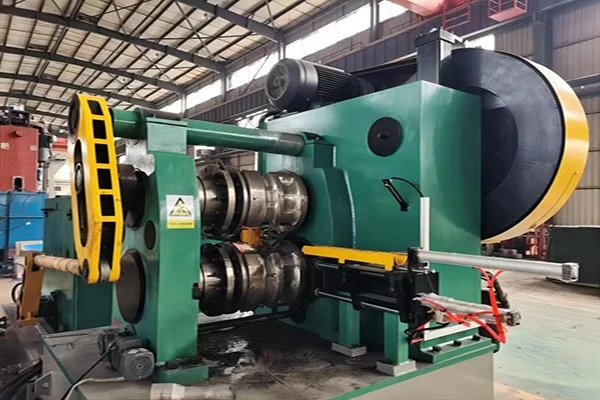
Processing Methods for Different Materials
Steel
Renowned for its high strength and excellent workability, steel presents a unique challenge during roll forging. The machine utilizes large reduction ratios and elongation percentages, employing precisely designed dies to mold the steel into intricate shapes. The resulting parts boast high strength and superior surface quality, making them ideal for applications in automobiles, machinery, and more.
Aluminum
Lightweight and ductile, aluminum requires careful handling to prevent overheating and softening during roll forging. The machine meticulously controls the reduction ratio and deformation speed, ensuring an optimal surface finish and maintaining the lubrication quality. The resulting lightweight aluminum parts are ideal for aerospace, transportation, and other industries focused on reducing weight.
Copper
Praised for its exceptional electrical and thermal conductivity, copper demands precise temperature control during roll forging due to its relatively low hardness and strength. The machine delicately adjusts the die shape, size, and processing parameters to maintain stable material properties throughout the deformation process. Processed copper parts are widely used in the electrical, electronics, and chemical industries.
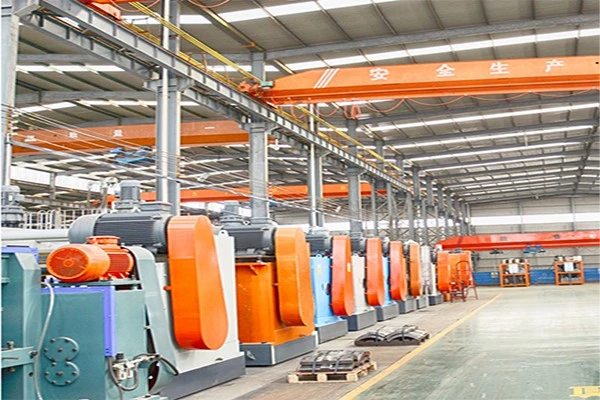
Advantages of Roll Forging Machines
The roll forging machine stands out in the metalworking industry for several compelling reasons:
Efficiency
The machine supports continuous, automated production lines, significantly boosting productivity.
Material Conservation
By precisely controlling the deformation process, the machine minimizes waste and maximizes material utilization.
Precision
Equipped with accurate dies and control systems, the machine ensures the production of highly precise parts.
Surface Quality
Roll forged parts exhibit a smooth, polished surface, reducing the need for subsequent finishing processes.
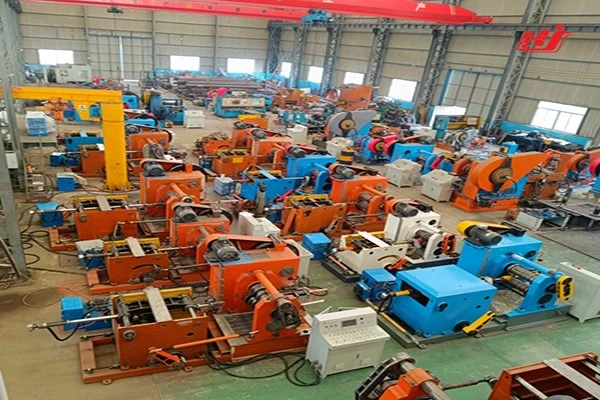
In conclusion, the roll forging machine is a versatile and powerful tool in metalworking. Whether working with steel, aluminum, copper, or other metal materials, it employs tailored methods to deliver exceptional results. As technology advances, the roll forging machine will continue to innovate and drive progress in the metalworking industry.For a comprehensive understanding of roll forging machines, please click "Roll Forging Machine" for more details. Alternatively, provide your contact information under "Contact Us" on the right side, and we will get in touch with you promptly.