

Today, metal parts, ranging from household items to transportation and defense equipment, form the foundation of various industries. So, how do you choose suitable forging machinery based on the diverse parts required for different industries?
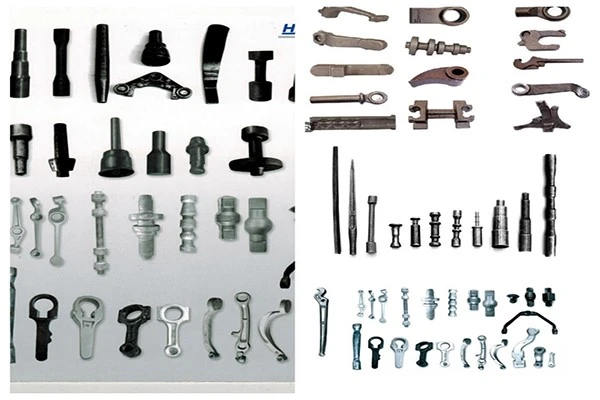
Firstly, identify the material requirements for your parts. Depending on factors such as melting point, toughness, hardness, etc., choose the appropriate forging method, such as cold forging, hot forging, open die forging, closed die forging, etc. Consider the cost of materials to ensure that the waste percentage during forging is within an acceptable range, avoiding unnecessary material and cost waste.
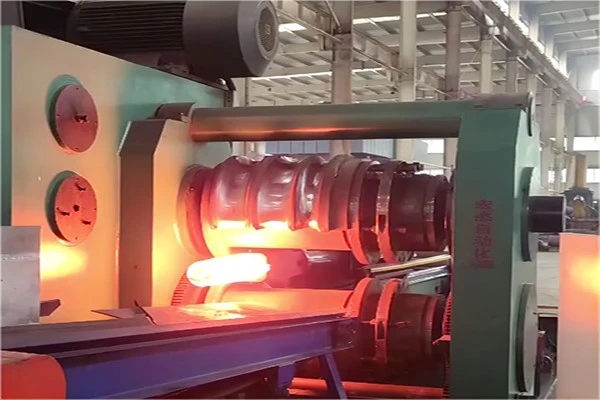
Secondly, consider the size of the parts to ensure that the machinery supplier can provide processing for the required dimensions. For example, Hongjie's roll forging machine has a maximum processing diameter of 200mm, while the wedge cross-rolling machine has a maximum processing diameter of 180mm. Plan according to the different dimensions of the products and the machinery available.
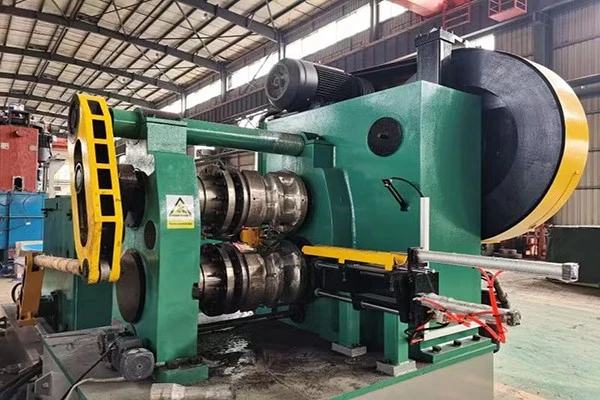
Beyond these basic requirements, ensure that the forging equipment can support additional needs, such as full automation of the production line, heating elements for hot forging materials, lubrication machines for graphite spray, etc. A mature production line should be able to sustain continuous output after production initiation, avoiding disruptions due to additional requirements.
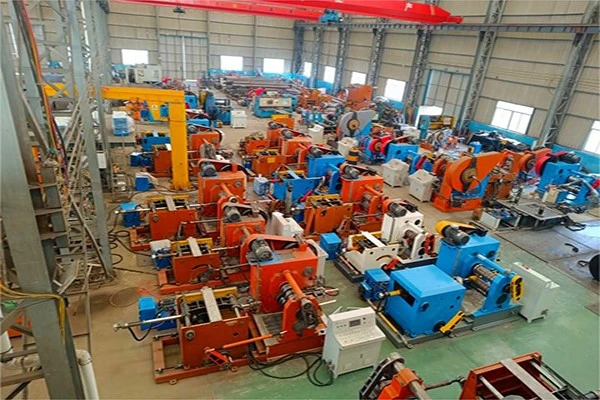
For a comprehensive understanding of forging machine, click on 'Froging Machine' to explore detailed specifications. Alternatively, provide your contact information under 'Contact us' on the right, and we will promptly reach out to you.