

Cold forging on roll forging machines refers to the direct forging of metal blanks without heating, while hot forging involves heating the blanks in a furnace before forging. Both methods are widely used in the forging industry. So, what are the differences between cold and hot forging when using roll forging machines? What situations are cold forging preferred, and what situations are suitable for hot forging?
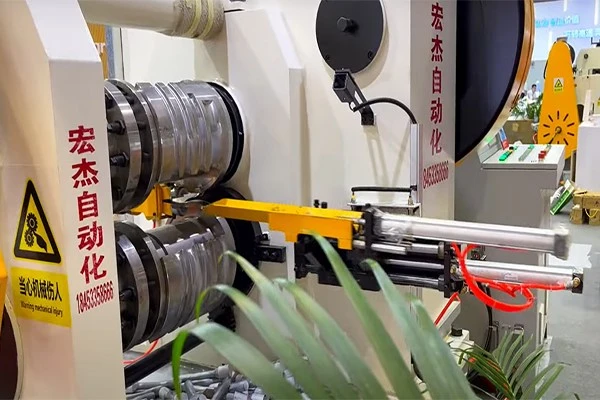
Advantages of Cold Forging
Compared to hot forging, cold forging offers several advantages. Unlike hot forging, which requires heating, cold forging on roll forging machines does not need preheating. This eliminates the cost of heating equipment, labor, and energy consumption associated with heating. Additionally, cold forging reduces production line length, resulting in reduced space requirements. These benefits make cold forging a favored choice for many manufacturers.
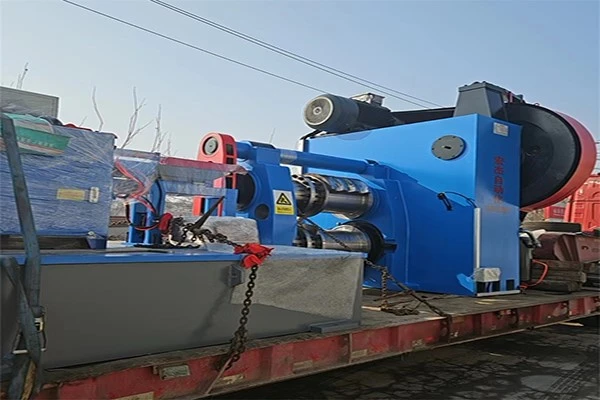
Limitations of Cold Forging
Although cold forging has its advantages, it also has limitations. Firstly, cold forging requires materials with high ductility and low strength, such as aluminum, copper, low-carbon steel, medium-carbon steel, and some alloys. Additionally, cold forging imposes high pressure demands on roll forging machines due to the high hardness of room temperature metals. Consequently, cold forging is not suitable for processing large parts and is more commonly used for small parts with low thicknesses.
For a comprehensive understanding of roll forging machine, click on 'Roll Froging Machine' to explore detailed specifications. Alternatively, provide your contact information under 'Contact us' on the right, and we will promptly reach out to you.