

Throughout history, forging has been indispensable for crafting advanced tools and equipment. Even in today's information age, when people think about forging, they often picture a forging hammer. This association is understandable given that hammer forging techniques have been around since ancient times and have persisted well into modernity. However, with the advent of automation and information technology, our approach to manufacturing, transportation, and communication has evolved significantly, making these processes more efficient. Naturally, forging tools have also seen advancements.
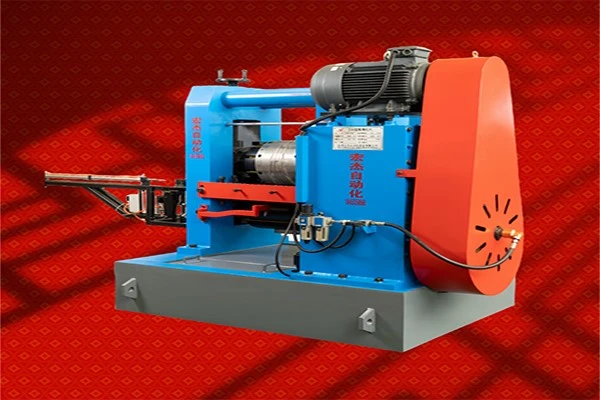
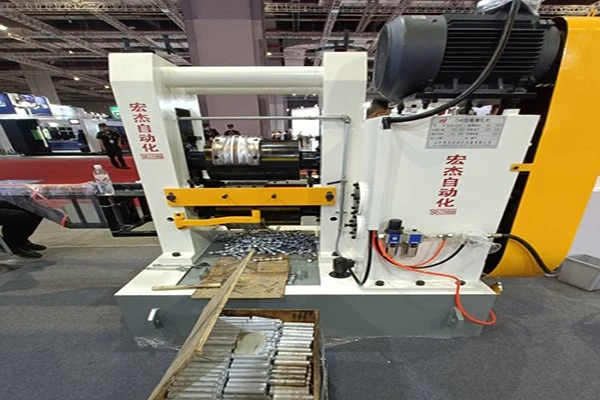
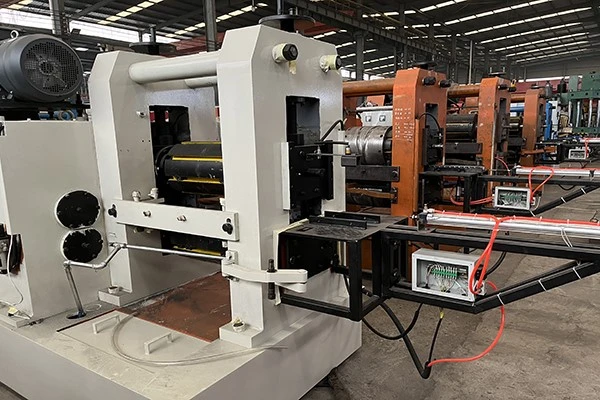
The cross wedge rolling machine is a modern forging tool that uses rolling molds to quickly produce forged parts. It has become a mature technology widely used in the production of hardware tools, agricultural implements, and rigging. This machine not only speeds up the forging process but also reduces material waste and the number of heating cycles required, thanks to its automated technology. When it comes to producing small forged parts, cross wedge rolling machines offer higher efficiency and lower costs compared to traditional forging hammers. Consequently, many manufacturers of small forged parts prefer using these machines for their preliminary shaping processes.
On the other hand, for large forged parts, forging hammers offer greater flexibility as they are not constrained by molds. Free forging with a hammer allows for more versatile production of large components. Additionally, the traditional operation of a forging hammer is easier to learn and master, making it a more straightforward choice for producing large forged parts.
For comprehensive understanding of cross wedge rolling machine, click on 'Cross wedge rolling machine' to explore detailed specifications. Alternatively, provide your contact information under 'Contact us' on the right, and we will promptly reach out to you.