

When selecting the optimal production method for large forgings, we can consider several key dimensions, including the characteristics of the forgings (such as size and shape), production requirements (like batch size), and cost-effectiveness. Below is a logical analysis of free forging, roll forging machines, and die forging machines in these aspects:
I. Forging Characteristics and Production Adaptability
Free Forging:
Advantages:
Does not rely on molds, allowing for highly flexible operation, particularly suitable for large, complex-shaped, or small-batch forgings.
Application Scenarios:
Ideal for forgings with specific shape requirements, small batches, or varying shapes.
Roll Forging Machines:
Advantages:
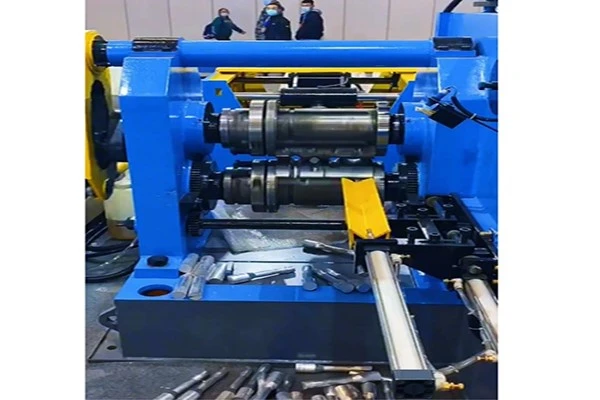
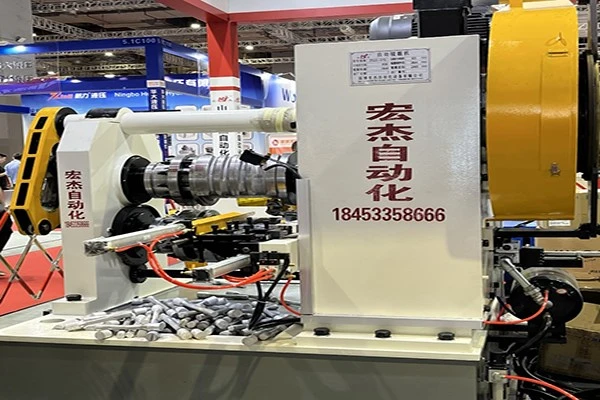
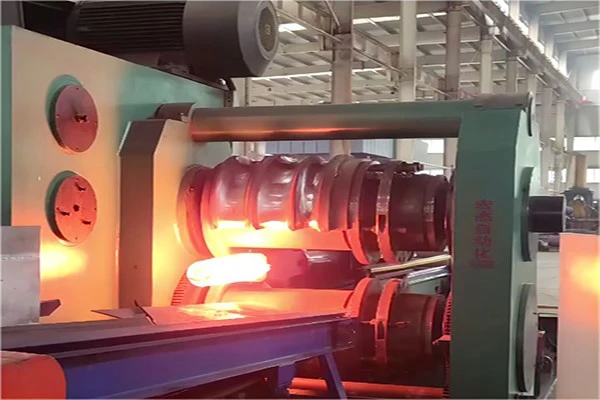
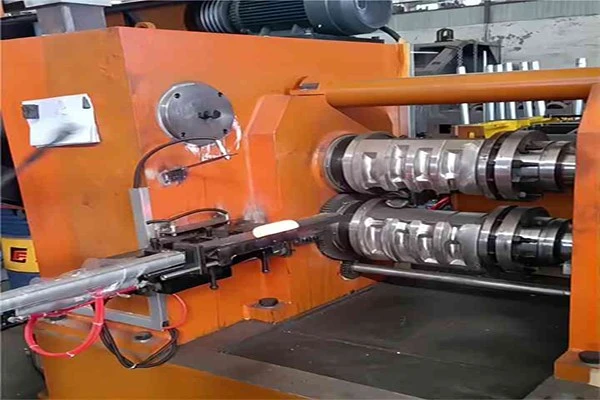
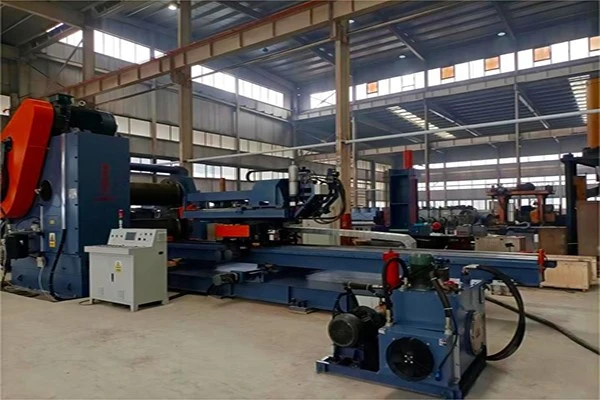
Capable of continuously producing long-bar forgings with precise control through roller adjustments, suitable for mass production of relatively simple-shaped forgings.
Application Scenarios:
Applicable to situations requiring high efficiency, continuous production, and uniform shapes of long-bar forgings.
Die Forging Machines:
Advantages:
Capable of producing forgings with complex shapes and high precision.
Limitations:
High mold costs, potential equipment limitations for extremely large forgings, and unsuitability for frequent mold changes.
Application Scenarios:
Suitable for medium-sized forgings with high precision, high complexity, and stable production volumes.
II. Production Requirements and Efficiency
Production Batch Size:
Roll forging machines can significantly improve production efficiency for large-scale production, while free forging offers more flexibility for small-scale or diversified production.
Production Efficiency:
Roll forging machines maintain high production efficiency during continuous operation, while free forging may have lower efficiency due to operational complexity and labor input but offers greater flexibility.
III. Cost-Effectiveness Analysis
Initial Investment:
Roll forging and die forging machines typically require significant initial equipment investments, while free forging has a relatively lower initial investment.
Operating Costs:
Free forging may involve higher labor and time costs; roll forging machines reduce unit costs through continuous production; die forging machines incur higher operating costs due to mold costs.
Long-Term Benefits:
Considering production efficiency and product quality, roll forging machines may offer better long-term benefits for high-volume production of simple-shaped forgings, while free forging remains competitive in small-scale or diversified production.
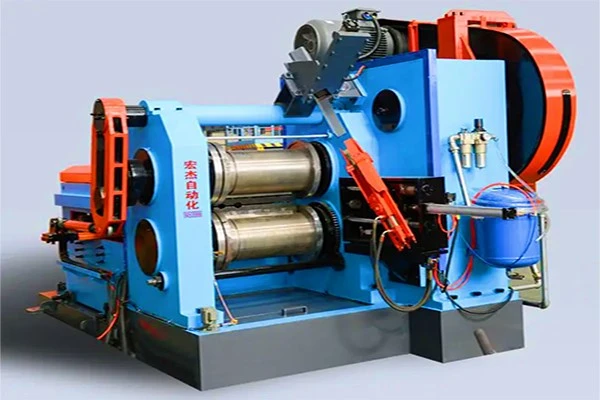
In summary, when selecting a production method for large forgings, enterprises should comprehensively consider forging characteristics, production requirements, and cost-effectiveness. Free forging may be more suitable for large, complex-shaped, or small-batch forgings; roll forging machines are ideal for high-efficiency, continuous production of relatively simple long-bar forgings; while die forging machines are more suited to medium-sized forgings with high precision, high complexity, and stable production volumes.
For a comprehensive understanding of roll forging machines, please click "Roll Forging Machine" for more details. Alternatively, provide your contact information under "Contact Us" on the right side, and we will get in touch with you promptly.