


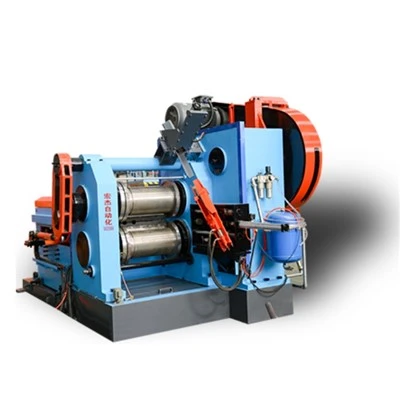
Zibo Hongjie Forging Industry Equipment : Your Trustworthy High Precision Automatic Forging Rolls Manufacturer!
Zibo Hongjie Forging Industry Equipment Co., Ltd.'s products cover all aspects of the forging field, from initial cutting and feeding, to heating, to metal preforming and final metal forming, as well as subsequent trimming and marking, all supported by corresponding equipment. Among them, roll forging machines and cross wedge rolling machines are the main products, which have a high reputation in the forging industry.
Rich Product Range
Our company takes roll forging machines and cross wedge rolling mills as its main products and has a high reputation in the forging industry. In addition to these two main products, it also provides comprehensive supporting equipment, including metal band saws, circular saws, induction heating furnaces, electric screw presses, hot forging presses, punches, etc.
Wide Range of Partners
Our company has established good cooperative relationships with many large enterprises such as Juli Group, Weichai Power, Dongfeng Motor Corporation, Teknorot, etc., and our products have provided forging equipment and solutions to many enterprises and customers in South Korea and other countries.
Advanced Production Equipment
Our production base has multiple independent processing centers. Such as floor boring and milling, five-side milling machining center, CNC machining center, drilling machine and large CNC processing equipment, etc. These are necessary CNC machinery and equipment for modern manufacturing.
Wide Range of Applications
Our products have been sold all over the world and are widely used in industries such as auto parts, hardware tools, power hardware, rigging and construction machinery.
Related Product Introduction

Construction Industry Roll Forging Machine
Construction Industry Roll Forging Machine is a specialized equipment used in the manufacturing of metal components for the construction industry. The process of roll forging involves deforming a metal billet into a desired shape using rotating rolls under high pressure. This method is commonly employed to produce axles, gears, crankshafts, and other components that require precise dimensions and superior mechanical properties.

Forging Roll Machine Auto Component
A forging roll machine used for auto components is designed to manufacture various parts for vehicles through the process of roll forging. This process involves shaping metal materials between two or more rolls to achieve the desired geometry and mechanical properties. In the context of auto components, this can include parts such as connecting rods, drive shafts, gears, and suspension components.

Automobile Industry Roller Forge Equipment
In the automobile industry, roller forge equipment, also known as roll forging machines, plays a crucial role in producing high-strength, precision engineered components. These machines utilize pairs of rotating cylindrical rolls to exert controlled force on metal workpieces, which are progressively deformed to the desired shape. The process is typically carried out at elevated temperatures to reduce the required force and enhance material flow.

Full Automatic Roll Forging Machine
A full automatic roll forging machine is an advanced piece of engineering equipment used to create metal parts by passing the workpiece through a pair of rotating rolls. This process, known as roll forging, involves the gradual deformation of the metal as it is fed through the rolls, which apply compressive forces to shape the part to the desired dimensions and improve its mechanical properties.

Roll Forge Reducer Forge Handtools
A roll forge reducer, also known as a roller forge die or roller forging die, is a specialized tool used in the process of roll forging to reduce the cross-sectional area of a metal stock. It consists of a set of rolls with dies attached that are shaped to match the intended final form of the part being forged. As the metal passes through the rolls, it is reduced in size and elongated to achieve the desired shape and dimensions.

Excavator Parts Roller Forge Machine
Excavator parts, such as buckets, arms, and boom sections, often require high-strength and durable components to withstand the rigors of construction and mining operations. A roller forge machine is well-suited for producing these parts due to its ability to shape metal through controlled plastic deformation, which enhances the material's mechanical properties.

Cold Forging Roller For Aluminium Alloy
Cold forging roller machines are specifically designed to shape aluminum alloys without heating the material to its recrystallization temperature. This process, known as cold forging, offers several benefits, such as enhanced strength, better surface finish, and higher dimensional precision.

Metal Hot Forging Roller Machine
Metal hot forging roller machines are used to shape metal parts by applying high levels of pressure to heated metal billets or bars. The metal is first heated to a temperature where it becomes malleable enough to be deformed without fracturing, typically above its recrystallization temperature. This process, known as hot forging, improves the ductility of the metal, allowing it to be easily worked into various shapes.

Rigging Parts Shackles Hooks Forging Machine
The roll forging machine can be used for pre-forging of various types of metal rigging, such as: shackles, lifting hooks, spring hooks, snap hooks, swage sockets, turn buckles, etc., which are widely used in ports, electric power, shipbuilding, petrochemical industries, construction machinery and other important industries.
What is High Precision Automatic Forging Rolls
High precision automatic forging rolls are specially designed rolls used in automated forging presses to form metal parts with tight tolerances and complex geometries. These rolls are engineered to provide consistent and accurate deformation of the workpiece, ensuring that the finished product meets stringent specifications. They are typically made from high-quality steel alloys to withstand the extreme conditions of the forging process, including high temperatures and mechanical stress.
Features of High Precision Automatic Forging Rolls
Enhance Structural Integrity
High Precision Automatic Forging Rolls eliminate internal voids and pores present in the metal, ensuring a more uniform and dense microstructure. This results in improved mechanical properties such as higher tensile strength and yield strength, as well as enhanced fatigue and impact resistance.
Superior Grain Structure
By applying high pressure to the metal, precision forging refines the grain structure, resulting in smaller, more aligned grains. This grain refinement further increases the strength and toughness of the final product.
Reduce the Need For Post-Processing
High Precision Automatic Forging Rolls produce parts with tight tolerances, reducing the need for additional machining or finishing operations. This not only saves time and cost, but also maintains the integrity and strength of the components.
Complex Geometric Shapes
Precision forging can create complex shapes and complex designs that would be difficult or impossible to achieve with other manufacturing methods. This opens up new possibilities for product innovation and differentiation.
Types of High Precision Automatic Forging Rolls
Flat Die Roller
Flat die rolls are simple rolls with a flat surface used to create flat or rectangular parts. They are suitable for high-volume production and can be used for open-die forging and closed-die forging.
Spherical Roller
Spherical rollers have a concave or spherical surface and are used to create a round or spherical shape. They are commonly used in forged bearings, ball joints and other spherical components.
Segmented Volume
A staging volume is made up of multiple parts that can be adjusted or replaced independently. This allows for greater flexibility in changing part size and shape without having to replace the entire roll assembly.
Planet Roll
Planetary rolls are designed to rotate around a central axis while also rotating around another roller or mandrel. This movement helps distribute the metal evenly and creates a uniform shape in the forged part.
Hollow Mold Roll
Hollow mold rolls are designed for manufacturing hollow parts such as tubes, pipes and shells. Depending on the desired cross-section of the hollow part, they can have various profiles.
Contour Roller
The surface of a contour roll has a predetermined profile or shape that is used to give the forged part a specific shape. They are ideal for complex geometries and complex designs.
Rotating Cylindrical Roller
Rotating cylindrical rollers are used to manufacture cylindrical parts with spiral or helical grooves. They are commonly used for forging gears and other rotating parts.
Upsetting Roll
Upsetting rolls are used to increase the diameter of a workpiece, usually at the end of the length. They are commonly used for forging bolts, screws and other threaded components.
Parts of High Precision Automatic Forging Rolls
Roller Body
The main structural components of the roller body are generally made of high-quality carbon steel or alloy steel. It houses the internal mechanism and provides the necessary support for the precise movement of the roller.
Surface Treatment
To resist wear, rollers are often coated with a hardened layer such as chrome plating or ceramic coating. This extends their life and maintains accuracy over time.
Groove or Mold
These are formed surfaces in contact with the workpiece, imparting the desired geometry to the metal. They can be flat, contoured, or have complex patterns, depending on the part being forged.
Axles and Bearings
These components allow the rollers to rotate smoothly and accurately. High-quality bearings are used to minimize friction and maintain alignment during the forging process.
Drive System
Includes motors, gears and couplings that power the roller rotation. The drive system must be able to deliver precise speed and torque to ensure consistent forging action.
Guidance System
It consists of guide rails and rails that ensure that the rolls maintain the correct position relative to each other and the forging press, which is crucial to achieving precise dimensions.
Cooling System
Forging generates a lot of heat, so the rolls can be equipped with cooling systems to regulate the temperature and prevent deformation or damage to the roll surface.
Regulating Mechanism
Operators can fine-tune the gap between the rolls for different workpiece sizes and forgings, ensuring precision and versatility.
Control System
Modern forging rolls are often integrated into automated systems that control their movement, speed and synchronization. Sensors and programmable logic controllers (PLCs) play an important role in maintaining high accuracy.
Support Roller or Mandrel
In some cases, additional rollers or mandrels are used to support the workpiece during the forging process, especially when creating hollow or tubular shapes.
How to Choose High Precision Automatic Forging Rolls
Dimensions of Forged Parts
The maximum diameter and length of the workpiece will determine the table size of the roll forging machine and the stroke of the roll forging machine.
Forging Material
Different materials require different High Precision Automatic Forging Rolls, because different materials have different hardness and strength. The design and specifications of the roll forging machine should be able to meet the processing requirements of the forging material.
Production Capacity
According to the expected production volume and production process requirements to select the appropriate roll forging machine. We need to consider the number of forging cycles per minute, the maximum tonnage per forging, and the ability of the roll forging machine to run continuously.
Automation Level
Some High Precision Automatic Forging Rolls are equipped with automated control systems, which can improve productivity and work reliability.
Budget Constraints
Different specifications and models of High Precision Automatic Forging Rolls prices vary, you need to choose according to the budget.
How to Use High Precision Automatic Forging Rolls


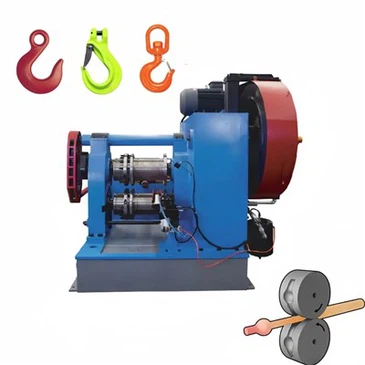
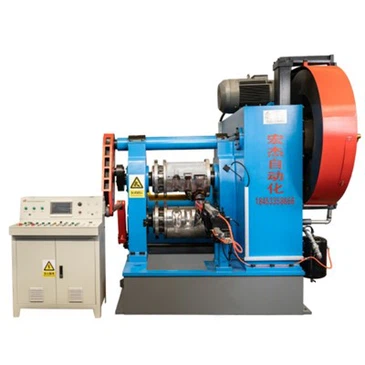
Material Preparation
Select the appropriate metal raw material based on the requirements of the final part. The material should be cut to appropriate lengths and preheated to the forging temperature specified for the alloy used.
Install
Install the forging roll onto the forging press according to the manufacturer's guidelines. Make sure all bolts are securely tightened and the drum is properly aligned with the machine frame.
Roll Gap Adjustment
According to the thickness of the raw material, an adjustment mechanism is used to set the initial gap between the rollers. This gap will determine how much the metal deforms during the forging process.
Drive System Calibration
Configure the drive system for the required speed and ensure motors, gears and couplings are synchronized for smooth operation.
Guidance System Inspection
Verify that the guide system is correctly positioned and that the rollers can move freely along the track without any obstruction.
Feed Mechanism Engagement
If the roller is equipped with an automatic feed mechanism, engage it to advance material through the roller. Otherwise, feed the material into the roll manually.
Forging Cycle
Begins the forging cycle, which typically involves the rolls rotating and moving against each other to apply pressure to the workpiece. The material gradually deforms with each pass until it reaches the desired shape and size.
Cooling and Lubrication
During the forging process, coolant can be applied to the rolls and workpiece to control temperature and reduce wear. Make sure the cooling system is functioning properly and that the lubricant is suitable for the material being forged.
Inspection and Quality Control
After each forging cycle, the parts are inspected for defects such as cracks, voids, or incorrect dimensions. Implement quality control measures to ensure each part meets required specifications.
Roller Cleaning and Maintenance
After use, clean the rollers to remove any residual material and inspect them for signs of wear or damage. Regular maintenance keeps the rolls in good condition and ensures their accuracy.
Adjust and Reconfigure
Adjust roll gaps, drive systems, and guide systems as needed to accommodate changes in material size, shape, or forging requirements.
How to Maintain High Precision Automatic Forging Rolls
Periodic Inspection
Check for any signs of wear, damage or misalignment. Solve problems promptly to avoid further losses.
Alignment
Ensure the rolls are properly aligned to prevent uneven wear and maintain accuracy during forging operations.
Calibration
Calibrate the roll regularly to ensure it meets the required accuracy standards.
Lubricating
Keep all moving parts well lubricated to reduce friction and wear. Use appropriate lubricant according to manufacturer's recommendations.
Clean
Regularly remove dirt, debris and metal shavings to prevent buildup that could affect the accuracy and performance of the rolls.
Temperature Control
Maintain proper temperature conditions in the forging area to prevent thermal expansion or contraction that could affect the performance of the rolls.
How to Install High Precision Automatic Forging Rolls
Preparation
Before installation, please read the manufacturer's manual carefully for specific requirements. Make sure the forging press and related equipment are in good working order and that the area is clear of any debris.
Alignment
Align the forging roll with the press frame. Use a laser alignment tool or other precision measuring device to ensure the rollers are perfectly centered and parallel to each other and the press.
Install
Secure the roll to the press using the mounting hardware provided. This usually includes bolts, clamps or other fixtures designed for the specific model of roll. Tighten all fasteners evenly to avoid stressing the rollers or bearings.
Bearing Installation
If the roller is equipped with a replaceable bearing assembly, install it according to the manufacturer's instructions. Apply grease or oil as needed and make sure the bearings rotate freely without any resistance.
Roll Gap Setting
Set the initial roll gap to a width suitable for the first forging run. This gap determines the amount of deformation the material will undergo. Some systems allow automatic adjustment, while others may require manual measurement and adjustment using spacers or adjustment screws.
Feeding Mechanism Inspection
If the roll includes an automatic feeder, make sure it is properly aligned and attached to the roll. Test the feed mechanism to verify that it feeds material into the rollers smoothly and evenly.
Drive System Connection
Connect the drive system to the rollers. This includes motors, gears, chains, belts or other transmission components. Make sure all connections are tight and there is no slack in the driveline.
Control System Calibration
The control system is programmed and calibrated to match the parameters of the forging process. This may involve setting roll speeds, synchronization, and any automated sequences for roll gap adjustment or part ejection.
Security Check
Before starting the press, perform a safety check. Make sure all emergency stop buttons, limit switches and safety interlocks are functioning properly. Verify that operators are trained and understand safety procedures.
Trial Run
Perform a test run using scrap material to check the operation of the roller. Observe the forging process to ensure that the rolls are running smoothly, the feed is even, and the forgings meet the required specifications.
Adjustment
Make necessary adjustments based on the results of the test run. This may include adjusting roll gaps, adjusting feed speeds, or fine-tuning control system settings.
Final Check
After successfully installing and testing the rollers, perform a final check to confirm that everything is set up correctly. This includes verifying alignment, checking for loose parts and ensuring all safety measures are in place.
Applications of High Precision Automatic Forging Rolls
Automobile Industry
The automotive industry uses roll forging machines to produce a variety of complex parts, such as crankshafts, connecting rods, gears, etc. These parts require high precision and strength, and roll forging machines can meet these requirements.
Aviation Industry
The aviation industry has very strict requirements on materials, requiring light weight, high strength, and good corrosion resistance. Roll forging machines can process parts that meet these requirements.
Energy Industry
In the energy industry, roll forging machines are used to produce a variety of pipes, valves, flanges and other components. These parts need to have good sealing and high pressure resistance, and the roll forging machine can ensure the realization of these properties.
Construction Industry
In the construction industry, roll forging machines are used to produce building materials such as steel bars and profiles. These materials need to have sufficient strength and toughness to ensure the safety and stability of the building.
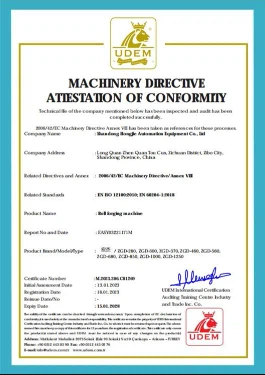
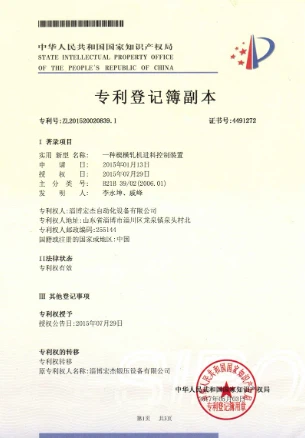
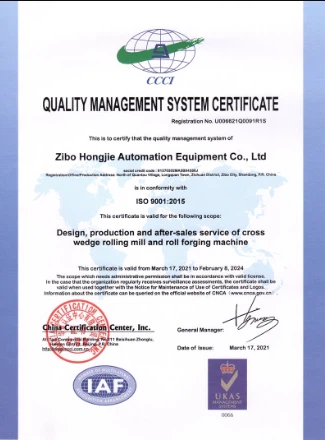
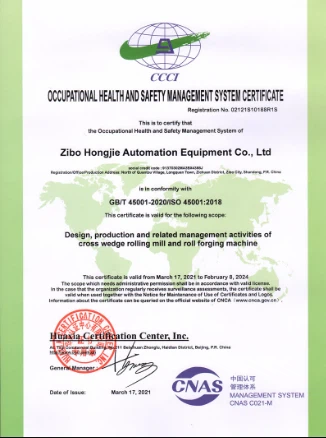
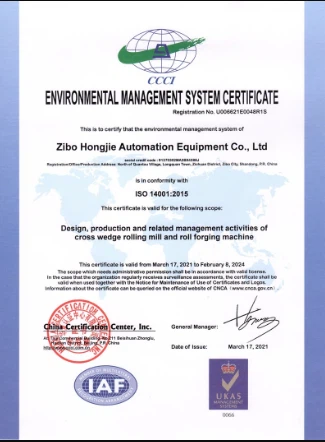
Certificate



Frequently Asked Questions
Hot Tags: Reduce Roller With Automatic Feeding Factory, China Reduce Roller With Automatic Feeding Factory manufacturers, suppliers, factory, High Efficiency CWR Machine, D46 Series Automatic Cross Wedge Rolling, Hongjie CWR Machine Industrial Tools, CWR Machine for Wrench Manufacturing, Automatic Metalworking Rolling Mill, Trailer Ball Mass Forging Press Machine