


Zibo Hongjie Forging Industry Equipment : Your Trustworthy CWR Machine Manufacturer!
Zibo Hongjie Forging Industry Equipment Co., Ltd.'s products cover all aspects of the forging field, from initial cutting and feeding, to heating, to metal preforming and final metal forming, as well as subsequent trimming and marking, all supported by corresponding equipment. Among them, roll forging machines and cross wedge rolling machines are the main products, which have a high reputation in the forging industry.
Rich Product Range
Our company takes roll forging machines and cross wedge rolling mills as its main products and has a high reputation in the forging industry. In addition to these two main products, it also provides comprehensive supporting equipment, including metal band saws, circular saws, induction heating furnaces, electric screw presses, hot forging presses, punches, etc.
Wide Range of Partners
Our company has established good cooperative relationships with many large enterprises such as Juli Group, Weichai Power, Dongfeng Motor Corporation, Teknorot, etc., and our products have provided forging equipment and solutions to many enterprises and customers in South Korea and other countries.
Advanced Production Equipment
Our production base has multiple independent processing centers. Such as floor boring and milling, five-side milling machining center, CNC machining center, drilling machine and large CNC processing equipment, etc. These are necessary CNC machinery and equipment for modern manufacturing.
Wide Range of Applications
Our products have been sold all over the world and are widely used in industries such as auto parts, hardware tools, power hardware, rigging and construction machinery.
Related Product Introduction

D46 Series Automatic Cross Wedge Rolling
The D46 Series Automatic Cross Wedge Rolling Machine is an advanced piece of equipment designed for producing high-quality metal parts with precise dimensions and superior mechanical properties. This series typically includes features such as computer numerical control (CNC), allowing for accurate and repeatable rolling processes.

CWR Machine For Wrench Manufacturing
Cross Wedge Rolling (CWR) machines are highly effective in the manufacturing of wrenches due to their ability to produce seamless, high-strength components with excellent surface quality. In the context of wrench manufacturing, a CWR machine operates by progressively reducing the cross-sectional area of a billet as it is forced through a set of dies by two rotating wedges. This process imparts a triaxial compressive stress state on the workpiece, which refines the grain structure and increases the material's strength and toughness.

CWR machines, or Cross Wedge Rolling machines, are utilized in forging operations to produce shafts and other cylindrical parts with high precision and efficiency. The CWR process involves feeding a solid billet through a set of dies, with two opposing wedges converging at an angle, which applies a radial force and reduces the cross-sectional area of the billet. This results in a forged part with the desired diameter and length.

Metal pre forming machines are used to prepare metal blanks before they undergo final forging or other forming processes. The primary objective of preforming is to reduce the amount of material that needs to be worked during the final forging step, thus conserving energy, reducing material wastage, and improving the overall efficiency of the forging process.

Hot Cold Forging Wedge Rolling Machine
Hot cold forging wedge rolling machines are specialized pieces of equipment used in the metalworking industry to produce cylindrical parts through a process known as upsetting or extrusion. These machines combine the principles of forging and rolling to create parts with improved mechanical properties and a reduced need for additional machining.

Construction Industry Roll Forging Machine
Construction Industry Roll Forging Machine is a specialized equipment used in the manufacturing of metal components for the construction industry. The process of roll forging involves deforming a metal billet into a desired shape using rotating rolls under high pressure. This method is commonly employed to produce axles, gears, crankshafts, and other components that require precise dimensions and superior mechanical properties.

Forging Roll Machine Auto Component
A forging roll machine used for auto components is designed to manufacture various parts for vehicles through the process of roll forging. This process involves shaping metal materials between two or more rolls to achieve the desired geometry and mechanical properties. In the context of auto components, this can include parts such as connecting rods, drive shafts, gears, and suspension components.

Automobile Industry Roller Forge Equipment
In the automobile industry, roller forge equipment, also known as roll forging machines, plays a crucial role in producing high-strength, precision engineered components. These machines utilize pairs of rotating cylindrical rolls to exert controlled force on metal workpieces, which are progressively deformed to the desired shape. The process is typically carried out at elevated temperatures to reduce the required force and enhance material flow.

Full Automatic Roll Forging Machine
A full automatic roll forging machine is an advanced piece of engineering equipment used to create metal parts by passing the workpiece through a pair of rotating rolls. This process, known as roll forging, involves the gradual deformation of the metal as it is fed through the rolls, which apply compressive forces to shape the part to the desired dimensions and improve its mechanical properties.
What is CWR Machine For Auto Parts
A CWR machine, which stands for Cross Wedge Rolling machine, is a specialized piece of equipment used in the manufacturing of auto parts, particularly those made from ferrous metals like steel and iron. The CWR process is a continuous forging technique that involves the use of wedges to reduce the cross-sectional area of a billet as it passes through the machine.
Features of CWR Machine For Auto Parts
High Speed and Efficient
CWR Machine For Auto Parts are designed to operate at high speeds for rapid production of automotive parts. They can weld continuously without interruption, increasing efficiency and reducing downtime.
Versatility
CWR Machine For Auto Parts can be used to weld a variety of different materials, including steel, aluminum and stainless steel. This makes them suitable for the production of various automotive parts.
Accuracy
CWR Machine For Auto Parts uses precision welding technology to ensure strong and durable welds. These machines are equipped with sensors that detect any anomalies during the welding process and adjust the parameters accordingly.
Improved Working Conditions
The rolling process is a short-term continuous small deformation, no impact, low noise, and meets the environmental protection requirements of modern manufacturing.
Parts of CWR Machine For Auto Parts
Welding Head
The welding head is where the actual welding takes place. It consists of electrodes or rods that melt to fuse metal parts together.
Feeding System
This system delivers welding rod or wire to the welding head at a controlled rate. It ensures a continuous flow of consumable materials during the welding process.
Power Supply
The power supply provides the necessary electrical energy to create an arc between the electrode and the workpiece. It controls voltage and current to optimize the welding process.
Control Panel
The control panel contains the electronics and interfaces for operating the machine. It allows the operator to set parameters such as welding speed, voltage and current, and may include diagnostic functions.
Drive System
The drive system moves the welding head along the workpiece, keeping the weld consistent. It usually includes motors and encoders to ensure precise movement.
Cooling System
Because welding generates a lot of heat, a cooling system is critical to preventing machine parts from overheating. This may involve air or water cooling systems.
Protective Gas Supply
In many cases, shielding gases are used to protect welds from atmospheric contaminants. The gas supply ensures a steady flow of shielding gas around the welding area.
Workbench or Fixture
The workbench holds the car parts in place during the welding process. Fixtures can be used to hold parts in a specific orientation for precise welding.
Sensors and Detectors
To ensure quality and consistency, CWR machines may be equipped with various sensors to monitor the welding process and provide feedback to the control system for real-time adjustments.
Exhaust System
Proper ventilation and exhaust are essential to eliminate fumes and fumes generated during welding, ensuring a safe working environment.
How to Choose CWR Machine For Auto Parts
Material Compatibility
Determine the type of material that needs to be welded. Different CWR machines are optimized for different materials (steel, aluminum, etc.), so ensure that the chosen machine can handle the material efficiently.
Welding Process
Understand the welding processes required for automotive components. Common processes include resistance spot welding (RSW), metal inert gas welding (MIG), tungsten inert gas welding (TIG), laser welding, plasma arc welding (PAW), and friction stir welding (FSW). Each process has unique capabilities and limitations.
Quality Requirements
Evaluate quality standards for weldments. High-quality welds may require machines with advanced control systems, precision components, and the ability to fine-tune welding parameters.
Productivity Needs
Consider throughput and cycle time. High-speed machines can increase productivity, but may cost more. Automated machines can also improve throughput and consistency.
Machine Size and Capacity
Evaluate the size and weight of automotive parts to determine the required capacity of the CWR machine. Make sure it can accommodate the largest parts and handle the necessary load.
Control System
Look for machines with user-friendly control systems that make it easy to set up, operate and adjust parameters. Advanced control systems can provide real-time monitoring, diagnosis and optimization of the welding process.
Reliability and Durability
Choose machines with a reputation for reliability and durability to minimize downtime and maintenance costs. Look for machines with sturdy construction and components that can handle the demands of continuous production.
Security Function
Prioritize machines with built-in safety features to protect operators and comply with workplace regulations. This may include emergency stop buttons, protective barriers and appropriate ventilation systems.
Cost Considerations
Budget constraints are important when choosing a CWR machine. When evaluating different options, consider the initial investment, operating costs, maintenance expenses and potential return on investment.
How to Use CWR Machine For Auto Parts
Machine Preparation
Before starting, check the machine for any visible damage, cleanliness and correct lubrication of moving parts. Make sure all safety guards are in place and functioning properly.
Material Preparation
Prepare automotive parts for welding by cleaning the surfaces to be joined. Remove any rust, oil, paint, or other contaminants that may affect the quality of the weld.
Welding Machine Settings
Set up the CWR machine for the specific welding process required (e.g., RSW, MIG, TIG, etc.). This includes configuring welding parameters such as voltage, current, welding speed and feed rate of the electrode or wire.
Fixing and Clamping
Use fixtures or clamps to hold automotive parts in the correct position to ensure precise alignment and consistent welding results. Parts should be firmly fixed without causing deformation.
Test Welding
Test welds are performed on scrap or sacrificial sections of automotive parts to verify welding parameters and evaluate weld quality. Adjust settings as needed to get the desired weld appearance and strength.
Production Welding
Start the welding process by starting the CWR machine and guiding the welding head or gun along the joint to be welded. Maintain a consistent speed and pressure, and watch the welding process to spot any problems.
Quality Inspection
Each welded joint is inspected after welding to ensure it meets specified quality standards. Look for defects such as voids, undercuts, over-welding, and inconsistent weld widths.
Post Welding Treatment
Depending on the material and welding process, post-weld treatment may be required. This can include cleaning the weld area, applying an anti-corrosion coating, or heat treating to remove residual stresses.
Machine Maintenance
Perform regular maintenance on your CWR machine to ensure its longevity and optimal performance. This includes cleaning, lubrication, replacing worn parts and calibrating the machine as needed.
Safety Precautions
When using a CWR machine, be sure to follow safety precautions, including wearing appropriate personal protective equipment (PPE) such as gloves, goggles, and hearing protection. Make sure the work area is well ventilated to remove any fumes and gases produced during the welding process.
How to Maintain CWR Machine For Auto Parts
Periodic Inspection
Perform routine inspections of all components to identify any signs of wear, damage, or failure.
Lubricating
Make sure moving parts are properly lubricated to reduce friction and prevent premature wear.
Clean
Keep the machine clean of debris, metal fragments and contaminants that may affect performance.
Calibration
Calibrate machines regularly to maintain accuracy and precision in molding and molding automotive parts.
Temperature Control
Monitor and regulate heating elements and cooling systems to ensure optimal temperature control during the hot rolling process.
Maintenance Plan
Develop a maintenance schedule for different components, including regular replacement of wearing parts such as drums and heating elements.
Applications of CWR Machine For Auto Parts
Body Panel Assembly
CWR machines are used to weld together the metal sheets that form vehicle body panels. This includes doors, fenders, hood and trunk lid. The continuity of the welding process allows for seamless welds, thereby enhancing the structural integrity of the vehicle.
Frame Structure
A car's frame, or chassis, is vital to its overall strength and stability. CWR machines can be used to weld tubular and sheet metal components of the frame, ensuring the welds are strong enough to withstand the stresses of driving.
Exhaust System Manufacturing
Exhaust components such as manifolds, pipes and mufflers require durable welds to handle the high temperatures and corrosive exhaust gases. CWR machines provide powerful welding solutions for these parts, ensuring long-lasting performance.
Transmission and Engine Components
Welding plays a vital role in the assembly of gearboxes and engine blocks. CWR machines are capable of welding heavy materials and complex geometries, making them suitable for these critical automotive components.
Suspension and Steering System
Suspension components such as control arms, stabilizer bars, and steering components often involve complex welding. CWR machines provide the precision required to ensure these parts operate correctly and safely.
Bracket and Hardware Installation
Various brackets and mounting hardware are welded to the car parts to hold them in place. CWR machines provide a fast and reliable method of joining these components, which is critical to maintaining the structural integrity of the vehicle.
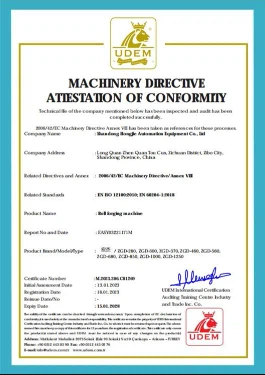
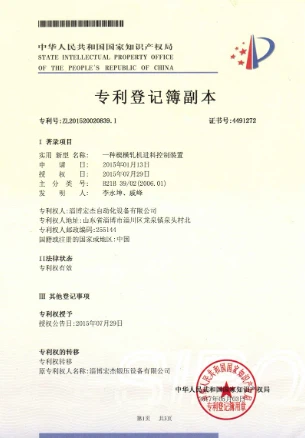
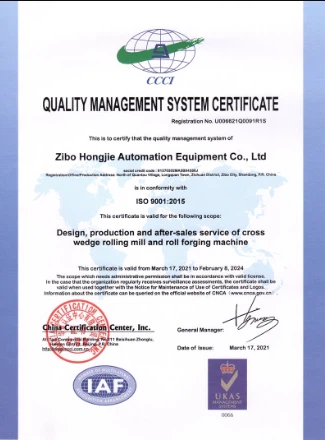
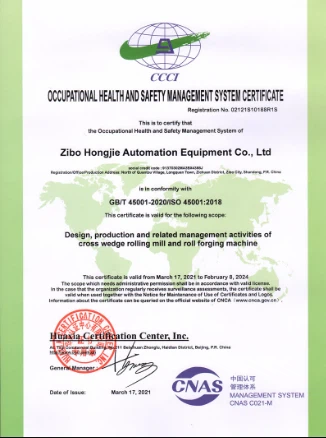
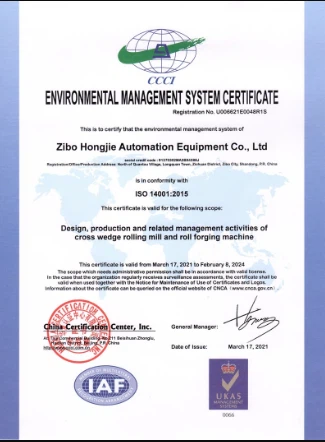
Certificate



Frequently Asked Questions
Hot Tags: material saving cwr mill, China material saving cwr mill manufacturers, suppliers, factory, Forging Die Customization Meet Diverse Needs, Roll Forging with 30 Material Savings, Preforming Reduce Roller Machine, Eco Friendly Cross Wedge Rolling Machine, Rigging Parts Shackles Hooks Forging Machine, Direct Drive Electric Screw Press